The Environmental Impact of Gaming: Energy Consumption and Sustainable Hardware
The Environmental Impact of Gaming: Energy Consumption and Sustainable Hardware
The gaming universe is synonymous with innovation and entertainment, but its ecological footprint has been increasing as latest generation hardware becomes more powerful. The environmental impact of gaming is a topic that covers not only the high energy consumption during gameplay but also the lifecycle of components, from the extraction of raw materials to disposal. Understanding this impact is the first step towards more sustainable gaming.
1. Energy Consumption: The Critical Factor
Gaming systems are among the household appliances that consume the most energy. Consumption is primarily driven by the Graphics Processing Unit (GPU) and the Central Processing Unit (CPU), which work at maximum capacity to render complex graphics.
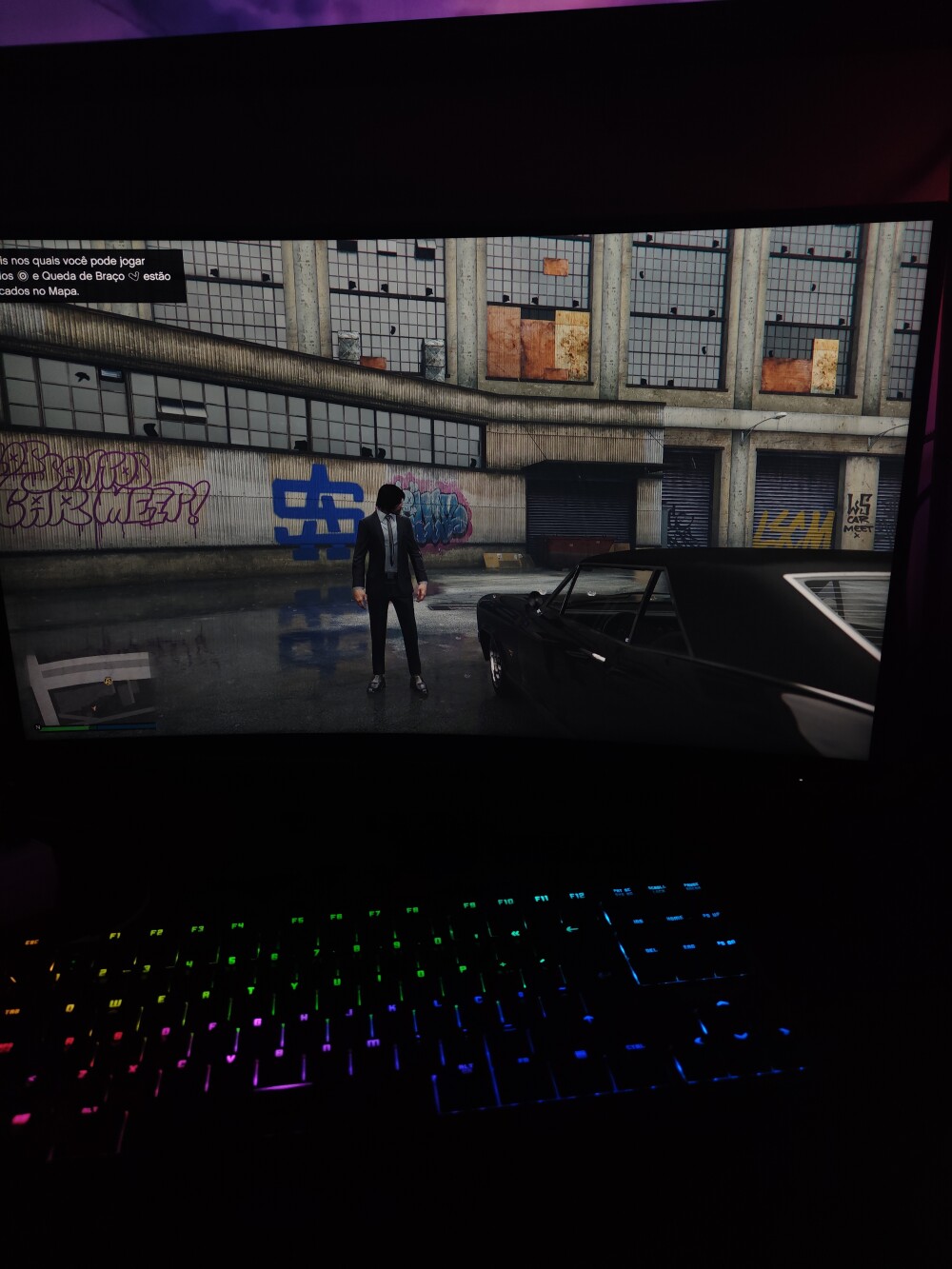
- PC Gaming: A high-performance PC can consume between 400W and 800W, depending on the components. Consult our guide on PC energy consumption for optimization.
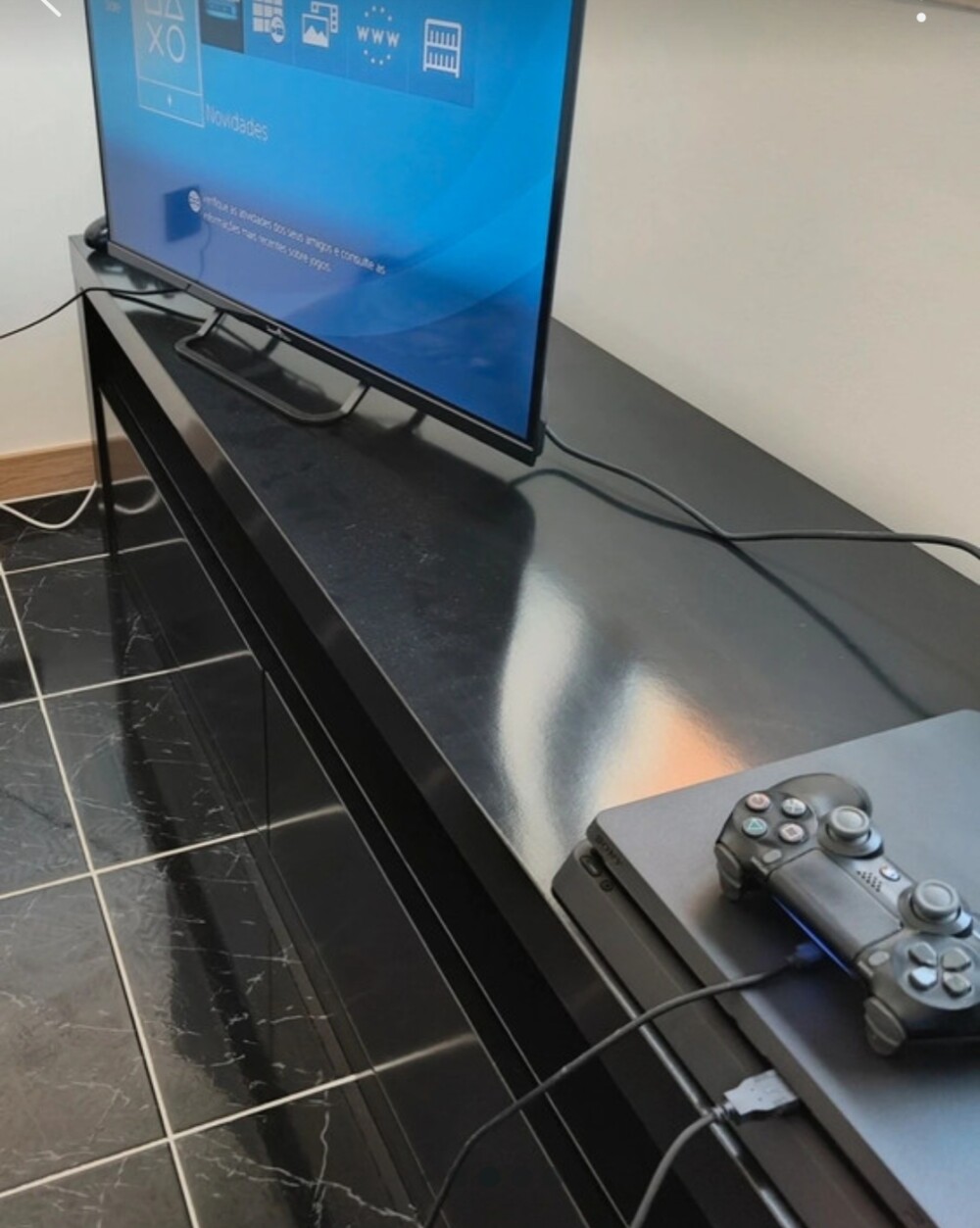
- Consoles: Latest generation consoles (PS5, Xbox Series X) have more efficient systems but can still reach peaks of 150W to 300W.
In addition to the game itself, the energy spent on cooling is also significant. Robust cooling systems, while necessary, increase the total consumption.
2. Hardware and Electronic Waste (E-Waste)
Hardware production and disposal are the second largest area of impact. Consoles and PCs are made of plastic, rare metals, and chemical components that are difficult to recycle and can be toxic if improperly discarded.
- Planned Obsolescence: The rapid PC gaming upgrade cycle and new console generations every 5-7 years generate a huge volume of e-waste.
- Mining: The extraction of metals like copper and gold, used in circuit boards, has a high environmental and ethical cost.
The simplest solution is to prolong the lifespan of the equipment. Preventive maintenance of consoles and PCs reduces the need for replacement.
3. Sustainable Gaming: What Can You Do?
The industry is changing, but responsibility also falls on the consumer. Three practical actions for greener gaming:
A. Energy Optimization
- Power Saving Modes: Use power-saving modes in less demanding games or during breaks.
- Efficient Monitors: Modern OLED and LED monitors are more efficient than older models.
- Shut Down the System: Do not leave the system running in idle.
B. Hardware Longevity
- Buy Quality: Invest in power supply units (PSUs) with 80 PLUS certification (Bronze, Gold, Platinum). These power supplies are more efficient at converting electricity, wasting less energy as heat.
- Repair vs. Replace: Instead of buying a new PC, consider a PC upgrade, replacing only the key components.
C. Game Choices
Interestingly, playing via Cloud Gaming can be a more efficient option at the household level, as processing is centralized in optimized data centers, although this shifts consumption to network infrastructure.
Conclusion
The gaming hobby is not without environmental costs. By making informed choices about your hardware and practicing conscious energy use, every player can significantly contribute to reducing the ecological footprint of their chosen activity.
Related Articles
- Latest Generation Hardware — GPUs, Monitors, and Performance
- PC Gaming Energy Consumption: How to Optimize and Reduce Costs
- Preventive Maintenance Guide for Consoles: Cleaning and Longevity
- The Importance of Cooling (Liquid vs. Air) in PC Gaming
- PC Upgrade: How, When, and Why to Update Your Machine
Explore More
Discover more content in the Gaming Information Hub, consult the Gaming Glossary (A–Z) and visit the Gaming FAQ for quick answers to your questions.