Gaming Glossary (A–Z) — GameMarket.pt
Gaming Glossary (A–Z)
The Gaming Glossary by GameMarket.pt gathers clear definitions of terms used across video games, platforms, hardware, development, online multiplayer, streaming, esports, AI, retro gaming, and gamer culture.
A
- AAA — High-budget, large-scale video game projects by major studios.
- Accessibility (A11y) — Features that improve playability for everyone (colorblind modes, remappable controls). See Accessibility in Games.
- Achievements — Unlockable goals and trophies earned by completing tasks.
- Action — Game genre emphasizing combat and fast reflexes.
- Adapter — Connector for different cables or devices (HDMI, USB-C).
- Aggro — Term in RPGs/MMOs meaning enemy aggression focused on a player.
- Alpha — Early, incomplete build used for internal testing.
- Ambient Occlusion — Lighting technique that adds realistic shadow depth.
- Arcade — Classic machine or fast-paced score-based game. See Arcade Gaming.
- AR (Augmented Reality) — Digital elements overlaid on the real world. See VR/AR.
- Adventure Game — Story-driven genre focused on puzzles and exploration.
- Avatar — Visual representation of the player within a game or platform.
B
- Backlog — List of unplayed or unfinished games.
- Ban — Account suspension for violating rules.
- Battle Pass — Seasonal progression system with unlockable rewards.
- Battle Royale — Multiplayer mode where many players compete until one remains.
- Benchmark — Performance test measuring FPS or system stability.
- Beta — Pre-release test version for players.
- Bitrate — Data rate used for streaming quality.
- Bloom — Lighting effect creating bright highlights.
- Boss — Major or final enemy challenging player skill.
- Build — Game version or character setup configuration.
- Buff / Nerf — Balance adjustments that strengthen or weaken gameplay elements.
C
- Campaign — The main story mode of a game.
- Cartridge — Physical game medium used by retro consoles.
- CD / DVD / Blu-ray — Physical discs for installing or running games.
- Checkpoint — Auto-save or restart point within a level.
- Clan — Organized group of players.
- Cloud Gaming — Play games via streaming. See Cloud Gaming.
- Controller — Physical input device (gamepad, joystick, steering wheel).
- Combo — Sequence of attacks executed quickly.
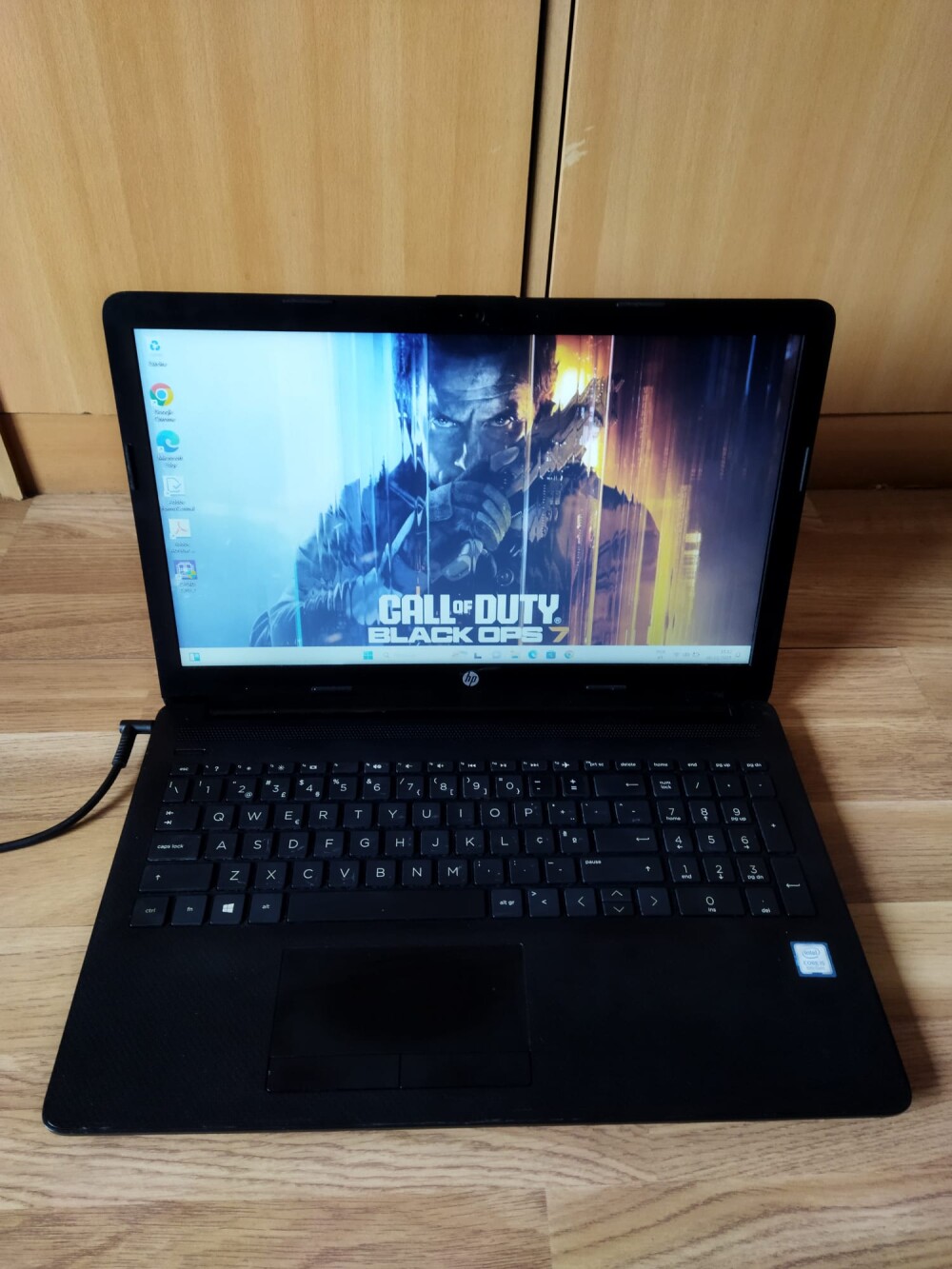
- Computer — Versatile gaming device (desktop or laptop). See PC Gaming.
- Console — Dedicated gaming hardware. See What is a Console.
- Cooldown — Time delay before an ability can be used again.
- Crafting — Creating items using in-game materials.
- Crossplay — Allows players on different platforms to play together.
- CRT — Cathode Ray Tube displays used in retro gaming.
- Cutscene — Non-interactive cinematic sequence.
D
- DLC — Downloadable Content expanding a game.
- Demo — Playable trial version of a game.
- Digital Edition — Download-only version, no physical disc.
- Difficulty Scaling — Game adapts challenge to player skill.
- Display — Screen or monitor showing the game.
- Drop Rate — Probability of obtaining a rare item.
- DualSense / DualShock — Sony’s PlayStation controller lines.
E
- Easter Egg — Hidden secret or reference inside a game.
- Elo / MMR — Skill-based matchmaking rating.
- Emulator — Software that runs games from other platforms. See Retro Gaming.
- Endgame — Content available after completing the main story.
- Engine — Game development framework (Unreal, Unity, Godot). See Game Engines.
- Esports — Competitive gaming. See Esports & Tournaments.
- Expansion — Large DLC with new areas or storylines.
F
- F2P (Free-to-Play) — Free games with optional purchases.
- FPS (Frames per Second) — Image refresh rate measure. See Benchmark & Performance.
- FPS (Shooter) — First-Person Shooter genre.
- Frag — Kill or elimination in a shooter game.
- Frame Time — Time taken to render each frame (stability metric).
- FreeSync / G-SYNC — Adaptive sync tech preventing screen tearing.
- Full Game — Complete release version, not demo or beta.
G
- Gacha — Random reward mechanic used in many mobile games.
- Game — Interactive digital entertainment experience.
- Game Jam — Short competition to create a game prototype.
- Game Over — End of a playthrough or failure screen.
- Gamepad — Standard controller for consoles/PC.
- Gamer — Someone who plays video games frequently.
- Gaming — The practice and culture surrounding video games.
- Generated Content (Procedural) — Content created via algorithms. See Procedural Generation & AI.
- GG / GGWP — “Good Game / Good Game, Well Played.”
- Grind — Repetition to gain XP, levels or rewards.
- GPU — Graphics Processing Unit.
- Guild — Group of cooperative players (MMO).
H
- HDR — High Dynamic Range visuals.
- Headset — Headphones with integrated microphone.
- Headshot — Critical hit aimed at an enemy’s head.
- Hitbox — Area that detects collision or hits.
- Hub — Central content page. See Gaming Hub.
- HUD — On-screen information display.
- Hz (Refresh Rate) — Number of screen refreshes per second.
I
- AI (Artificial Intelligence) — Simulated behavior for NPCs or dynamic content. See AI in Games.
- Idle Game — Progresses automatically without constant input.
- Input Lag — Delay between pressing a control and screen response.
- Install — Set up the game on a system.
- Inventory — Collection of player-owned items.
- Isometric — Fixed angled perspective in 2D/3D games.
- Indie — Independent game. See Indie Games.
J
- Jitter — Network latency variation.
- Joystick — Analog controller used in arcades and flight sims.
- JRPG — Japanese Role-Playing Game.
K
- K/D Ratio — Kills to deaths ratio.
- Kiting — Hitting enemies while staying out of range.
- Key Art — Primary promotional artwork for a game.
L
- Lag — Noticeable network delay.
- LAN — Local Area Network for multiplayer. See LAN/WAN.
- Leaderboard — Score ranking table.
- Level Design — The craft of creating maps or environments.
- Loot — Rewards or collected items. See Monetization & Loot Boxes.
- Lobby — Waiting area before a match starts.
M
- Map — Playable area or level.
- Matchmaking — System that pairs players based on skill.
- Meta — Dominant competitive strategy.
- Microtransactions — Small in-game purchases.
- MMORPG — Massively Multiplayer Online Role-Playing Game.
- MOBA — Multiplayer Online Battle Arena (e.g., LoL, Dota).
- Mod — User-created game modification. See Modding & Communities.
- Monetization — Revenue strategy for a game.
- Monitor — Display for PC gaming.
- Motion Sickness — Discomfort from mismatched motion/vision (VR).
N
- NAT Type — Network configuration affecting peer connections.
- Nerf — Weakening of a game mechanic.
- Noob — New or inexperienced player (slang).
- NPC — Non-Playable Character.
- Cloud Save — Online save storage.
O
- Open World — Freely explorable game environment.
- Overclock — Increasing hardware clock speeds.
- Overworld — Global area connecting levels.
P
- Patch — Update fixing or improving gameplay.
- Pay-to-Win (P2W) — Paid advantages in gameplay.
- PEGI — European age rating system. See PEGI Ratings.
- Ping — Network latency measured in milliseconds.
- Pixel Art — Visual style made of visible pixels.
- Play-to-Earn — Play to earn financial rewards (NFTs). See Economy & NFTs.
- Port — Adaptation of a game to another platform.
- Procedural Generation — Content created by algorithms.
- PvE / PvP — Player vs Environment / Player vs Player modes.
R
- Ray Tracing — Realistic light and reflection rendering.
- Remake / Remaster — Rebuilt or updated version of an older game.
- Respawn — Character reappearing after death.
- Retro Gaming — Playing or collecting classic titles and consoles. See Retro Gaming.
- RNG (Random Number Generator) — System that introduces randomness into outcomes (loot, crits, spawns).
- Roadmap — Public plan for upcoming features, fixes, and content.
- Roguelike / Roguelite — Games with procedural runs, high difficulty, and (often) permadeath.
- Rollback Netcode — Networking technique that reduces perceived lag in fighting games.
- ROM — Digital image of a game; legality depends on licensing and ownership.
S
- Sandbox — Open-ended gameplay emphasizing freedom and experimentation.
- Save (Game Save) — File storing player progress.
- Dedicated Server — Server hardware exclusively hosting matches.
- Shader — Program that defines materials, lighting, and visual effects.
- Skill Tree — Branching system of unlockable abilities.
- Skin — Cosmetic customization for characters/items.
- Soulslike — Tough, methodical combat subgenre inspired by FromSoftware titles.
- Spawn / Despawn — Entities appearing or being removed in the game world.
- Speedrun — Completing a game as fast as possible.
- Split-Screen — Local multiplayer sharing the same display.
- Streamer — Creator who broadcasts gameplay live.
- Streaming — Live broadcasting of gameplay. See Game Streaming.
- Sub / Follow / Raid — Common viewer actions on platforms like Twitch.
T
- TAA / FXAA / MSAA — Anti-aliasing techniques that smooth jagged edges.
- Tank / Healer / DPS — Core PvE/PvP party roles.
- Texture Streaming — Dynamically loading textures to manage memory.
- Tilt — Frustration that worsens decision-making in competitive play.
- Tooltip — Contextual info popup explaining UI or items.
- Trophy — Platform achievement reward (PlayStation).
- Tutorial — Introductory section that teaches gameplay basics.
U
- UI / UX — User Interface and User Experience.
- Ultrawide — 21:9 or 32:9 monitors with wider field of view.
- Unity / Unreal — Leading game engines. See Game Engines.
- Upgrade — Improving gear or character stats.
- USB — Common interface for peripherals.
- User-Generated Content (UGC) — Content created by the community.
V
- V-Sync — Synchronizes FPS with monitor refresh to prevent tearing.
- Digital Version — Online purchase with no physical media.
- VOD (Video on Demand) — Archived recordings of past streams.
- VR (Virtual Reality) — Fully immersive 3D experience. See VR/AR.
- Vulkan / DirectX / OpenGL — Graphics APIs used by games.
- Wheel (Racing Wheel) — Steering controller for driving sims.
W
- WAN — Wide Area Network (the Internet). See LAN/WAN.
- Waypoint — Navigation marker on maps or HUD.
- Wearables — Smart devices with gaming features. See Gaming on Wearables.
- Walkthrough — Step-by-step guide to complete a game.
- WASD — Standard PC movement keys.
- Wipe — Reset of player/season progress on a server.
X
- Xbox — Microsoft’s video game console family.
- XInput — Microsoft API for controller support on Windows.
- XP (Experience Points) — Points earned to level up.
Y
- Yaw / Pitch / Roll — Rotation axes used in sims/VR.
- YouTuber — Video creator focused on gaming content.
- YOLO — “You Only Live Once”; playing risky without caution (slang).
Z
- Z-Buffer — Depth buffer used to resolve visibility in 3D scenes.
- Zelda — Iconic Nintendo franchise.
- Zoom / FOV — Camera magnification or field of view setting.
See Also