What Is a Console? Generations and Types — GameMarket.pt
What Is a Console? Generations and Types
Game consoles are electronic devices designed for interactive entertainment. From the birth of home gaming in the 1970s to today’s hybrid systems, consoles have shaped the way the world plays. Modern giants like PlayStation, Xbox and Nintendo dominate the global gaming landscape — but their story spans decades of innovation and creativity.
Definition of a Console
A console is a specialized hardware system created specifically to run video games. Unlike personal computers, which perform multiple functions, consoles are optimized for graphics performance, stability and plug-and-play gaming.
There are three main types of consoles:
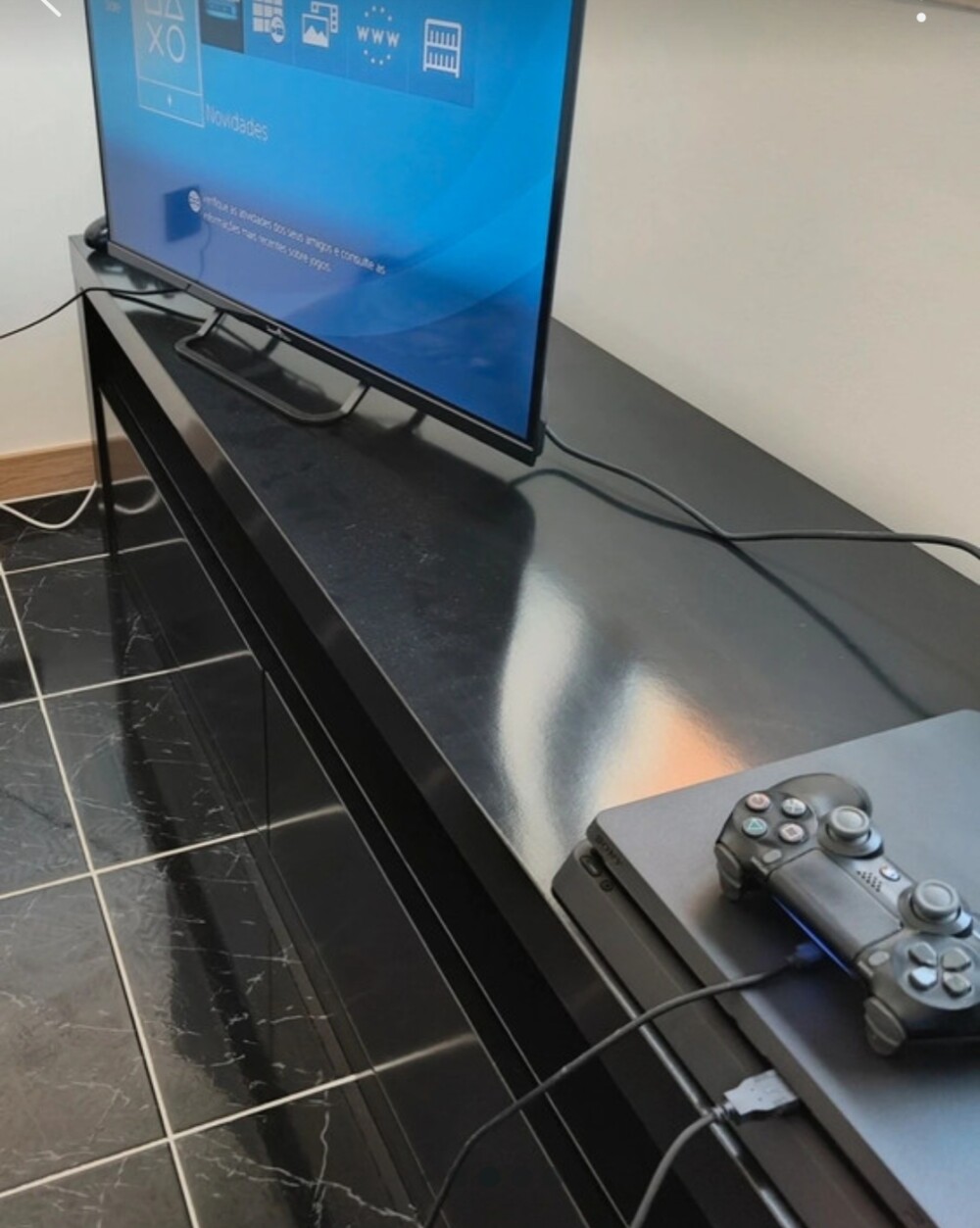
- Home consoles: connect to a TV or monitor (e.g. PlayStation 5, Xbox Series X, Nintendo Switch in docked mode).
- Handheld consoles: include an integrated screen and battery for gaming anywhere (e.g. Game Boy, Game Gear, PSP, Nintendo 3DS).
- Hybrid consoles: combine portability with power — playable on TV or on the go (e.g. Nintendo Switch and Nintendo Switch 2).
History and Console Generations
Video game consoles have evolved through several technological generations, each introducing innovations that redefined gaming for millions of players.
1st Generation (1972–1980)
The dawn of home gaming — Magnavox Odyssey and Pong clones. Simple analog systems with no cartridges or saves.
2nd Generation (1976–1992)
The era of interchangeable cartridges. Systems like the Atari 2600 and Intellivision popularized game libraries and set early industry standards.
3rd Generation (1983–2003)
The rebirth of video gaming after the 1983 crash. The Nintendo Entertainment System (NES) and Sega Master System introduced iconic characters like Mario and Sonic.
4th Generation (1987–2004)
The golden 16-bit era: Super Nintendo (SNES) and Sega Mega Drive. Vibrant graphics, memorable soundtracks and legendary games. In handheld gaming, Game Boy became a global hit, while Sega Game Gear brought color screens to the market.
5th Generation (1993–2006)
The 3D revolution. Sony PlayStation, Nintendo 64 and Sega Saturn introduced polygonal graphics and CD-ROM storage. Iconic series like Tomb Raider and Crash Bandicoot were born.
6th Generation (1998–2013)
Online gaming and multimedia expansion. PlayStation 2 (the best-selling console ever), Xbox, GameCube and Dreamcast brought cinematic storytelling and advanced visuals.
7th Generation (2005–2017)
The HD and online era: Xbox 360, PlayStation 3 and Wii. Nintendo innovated with motion controls and family-friendly gameplay.
8th Generation (2012–present)
Digital distribution and hybrid systems. PlayStation 4, Xbox One and Nintendo Switch redefined accessibility and portability. The Switch became one of the most successful consoles ever.
9th Generation (2020–today)
PlayStation 5 and Xbox Series X|S deliver 4K/8K performance, ultra-fast SSDs and full cloud integration. The Nintendo Switch 2 enhances hybrid gaming with upgraded hardware, a brighter display and backwards compatibility.
Consoles vs PC Gaming
The eternal debate: console or PC? Consoles offer simplicity — just plug in and play — with optimized exclusives and reliable performance. PC gaming excels in customization, graphical power and upgradeability, though it requires more technical knowledge and investment.
With cross-play and cloud gaming now common, the line between console and PC is increasingly blurred.
Online Services and Subscriptions
Modern consoles are also connected entertainment platforms offering vast digital libraries and global multiplayer features:
- PlayStation Plus — extensive game library, online multiplayer and cloud saves.
- Xbox Game Pass — hundreds of downloadable or cloud-streamed games.
- Nintendo Switch Online — retro classics and online multiplayer access.
The Future of Consoles
The future of consoles lies in AI-driven personalization, augmented reality and cloud streaming. Hardware may become secondary as players gain seamless access to massive, evolving worlds from any device.
Hybrid and portable systems like the Steam Deck and Nintendo Switch 2 point toward a more mobile, flexible future — one where gaming happens anywhere, anytime.
Related Articles
- What Is a Game? Fundamental Concepts
- Game Genres: Action, Adventure, RPG, Strategy and More
- PC Gaming: Complete Guide
- Cloud Gaming: Play from the Cloud
Explore More
Discover more on the Gaming Information Hub, check the Gaming Glossary (A–Z), and visit the Gaming FAQ for quick answers and practical guides.








Sale
O Senhor dos Anéis – A Batalha pela Terra Média II (PC DVD) – Edição Portuguesa Completa – Raro
- Gaming PC/Mobile >
- Desktop Gaming

Sale
O Senhor dos Anéis – A Batalha pela Terra Média (PC DVD) – Edição Portuguesa Completa – Raro
- Gaming PC/Mobile >
- Desktop Gaming