
Game Genres: Action, Adventure, RPG, Strategy and More — GameMarket.pt
Game Genres: Action, Adventure, RPG, Strategy and More
The world of video games is incredibly diverse. From fast-paced action and competitive gameplay to immersive storytelling experiences, game genres help classify and define different play styles. This guide breaks down the most popular genres, their key features, and notable examples from across gaming history.
What Is a Game Genre?
A game genre describes the style of gameplay and the type of experience it provides. Just as movies are categorized into comedy, drama, or action, games are grouped by mechanics, goals, and player interaction.
Over time, genres have evolved — and many modern titles combine multiple elements, creating hybrid and innovative experiences.
Main Game Genres
🎮 Action
Action games test reflexes, timing, and quick decision-making. They’re among the most popular genres and include subcategories like shooters, platformers, and beat ‘em ups.
- Examples: Doom, Call of Duty, Super Mario Bros., Devil May Cry.
🧭 Adventure
Focused on exploration and storytelling, adventure games often involve solving puzzles, discovering environments, and progressing through rich narratives.
- Examples: The Legend of Zelda, Uncharted, Tomb Raider.
⚔️ RPG (Role-Playing Game)
In RPGs, players take on the role of a character and grow through choices, quests, and progression systems. Includes both Western and Japanese-style RPGs (JRPGs).
- Examples: Final Fantasy, The Witcher 3, Skyrim, Persona 5.
🧠 Strategy
Strategy games emphasize planning, tactics, and resource management. They can be real-time (RTS) or turn-based (TBS).
- Examples: Age of Empires, StarCraft, Civilization, XCOM.
🏎️ Simulation
Simulations recreate real-world systems or experiences, from flying planes to managing cities or virtual lives.
- Examples: The Sims, Flight Simulator, Gran Turismo, Cities: Skylines.
⚽ Sports
Sports games replicate real or fictional athletic activities, often featuring online leagues and multiplayer competitions.
- Examples: EA Sports FC (FIFA), NBA 2K, Rocket League.
🏗️ Sandbox / Open World
Offer freedom and creativity. Players can explore, build, or set their own goals within expansive digital worlds.
- Examples: Minecraft, GTA V, No Man’s Sky.
😱 Horror
Focus on fear, survival, and psychological tension. Immersive atmospheres and limited resources challenge players’ nerves.
- Examples: Resident Evil, Silent Hill, Dead Space.
💡 Puzzle
Puzzle games challenge logic, reasoning, and problem-solving. They can range from simple mobile hits to complex physics-based designs.
- Examples: Tetris, Portal, Monument Valley.
🎲 Casual & Mobile
Short, accessible experiences that anyone can play — ideal for smartphones and quick sessions.
- Examples: Candy Crush, Among Us, Clash Royale.
Hybrid and Emerging Genres
With advances in technology and artificial intelligence (AI), many modern games blend genres. Titles like Fortnite combine action, building, and social play; No Man’s Sky mixes exploration, simulation, and procedural generation; and Detroit: Become Human fuses cinematic storytelling with moral choices.
AI is also shaping adaptive gameplay, procedural content, and personalized narratives that react to each player’s decisions.
Related Articles
- What Is a Game? Fundamental Concepts
- What Is a Console? Generations and Types
- AI in Games: How It Works and Where It’s Used
- History of Games: From Origins to the Digital World
Explore More
Discover more at the Gaming Information Hub, browse the Gaming Glossary (A–Z), and visit the Gaming FAQ for quick answers and insights.










Sale
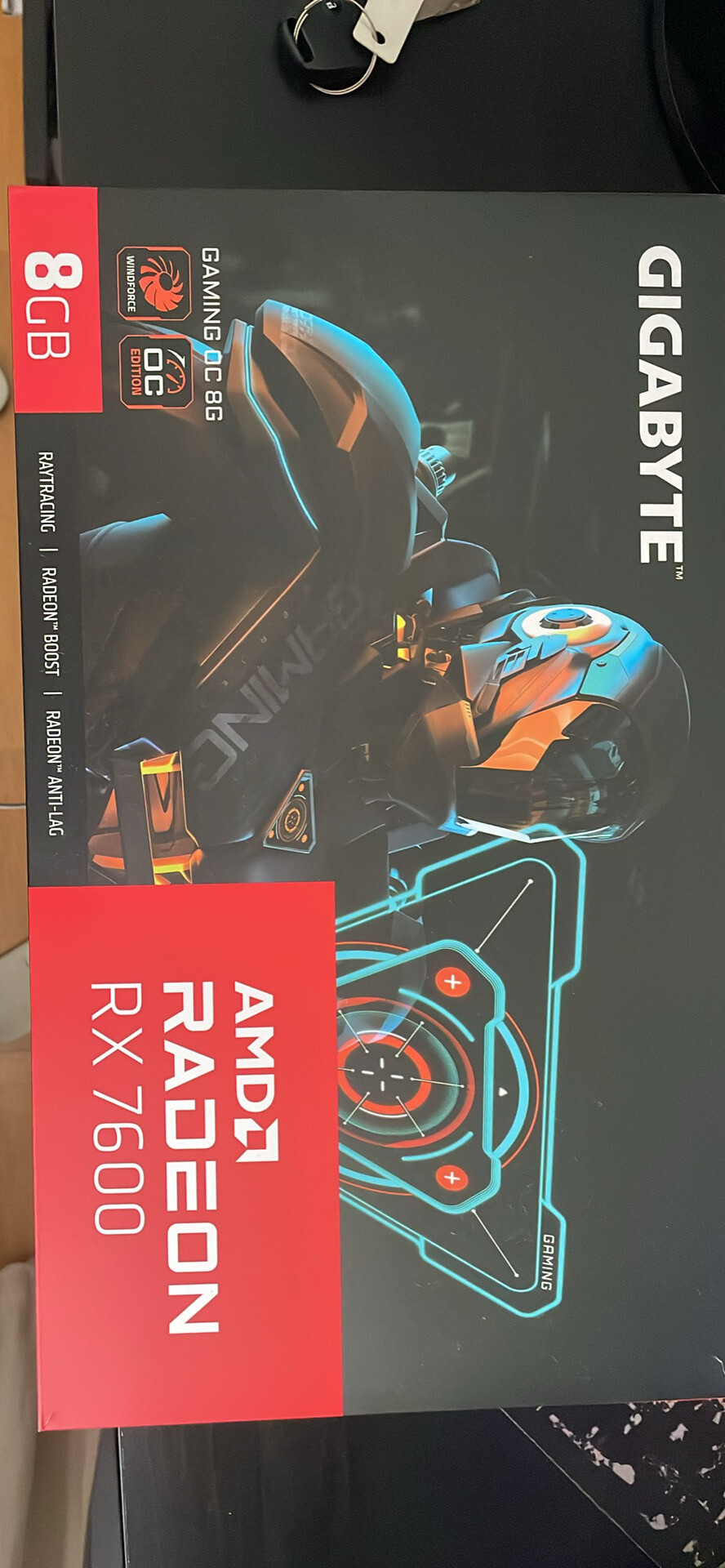
Gigabyte Radeon RX 7600 GAMING OC 8GB GDDR6 – Excelente estado
- Gaming PC/Mobile >
- Desktop Gaming