
Single-Player Games: Story and Narrative
Single-Player Games: Story and Narrative
Single-player games continue to be the creative engine of the video game industry, focusing on delivering rich and immersive experiences. Unlike multiplayer (Multiplayer – LAN vs. WAN), where human interaction is the narrative, in solo games, the story is meticulously crafted to create emotional connection and personal advancement.
1. Key Elements of Narrative in Single-Player Games
The strength of solo titles lies in their ability to use interactive elements to deepen the story, surpassing other forms of media:
- Protagonism and Choice: The player directly assumes the role of the protagonist. In RPGs and adventure games (Game Genres), the choices made affect the plot (adaptive narrative), providing a unique sense of agency.
- Environmental Storytelling: The story is told not only through dialogue but also through world design (architecture, notes, recordings, and hidden lore). This is crucial in Open World games.
- Non-Playable Characters (NPCs): The quality of the Artificial Intelligence (AI) of NPCs is vital for creating credible interactions and emotional bonds, often serving as narrative catalysts.
2. Types of Narrative and Structure
The way the story is presented defines the gaming experience:
| Narrative Type | Description | Genre Examples |
|---|---|---|
| Linear | Story with a fixed beginning, middle, and end. The focus is on cinematic progression. | Action-Adventure, Narrative FPS. |
| Branching | The plot changes significantly with player choices, leading to multiple endings. | Classic RPGs, Choice-Based Games. |
| Emergent | The story is created by the player's actions within the system's rules, without a fixed script. | Roguelike/Roguelite, Survival Simulators. |
3. The Rescue of Deep Immersion
In the age of online gaming, solo games serve as a refuge for complex stories and art. They foster deep immersion, focus on puzzle solving, and exploration, without the distractions or constant competitive nature of online play. Many titles rely on the quality of Game Engines and the optimization of Latest Generation Hardware to achieve this level of graphical and audio detail (Sound Design).
Related Articles
- Game Genres: Action, Adventure, RPG, Strategy, and More
- The Role of Artificial Intelligence in Gaming: NPC Behavior
- The Importance of Environmental Storytelling in Open World Games
- The Phenomenon of Roguelike and Roguelite Games: The Importance of Repetition
- How Sound Design Affects Gameplay and Immersion
Explore More
Discover more content in the Gaming Information Hub, consult the Gaming Glossary (A–Z) and visit the Gaming FAQ for quick answers to your questions.






Sale
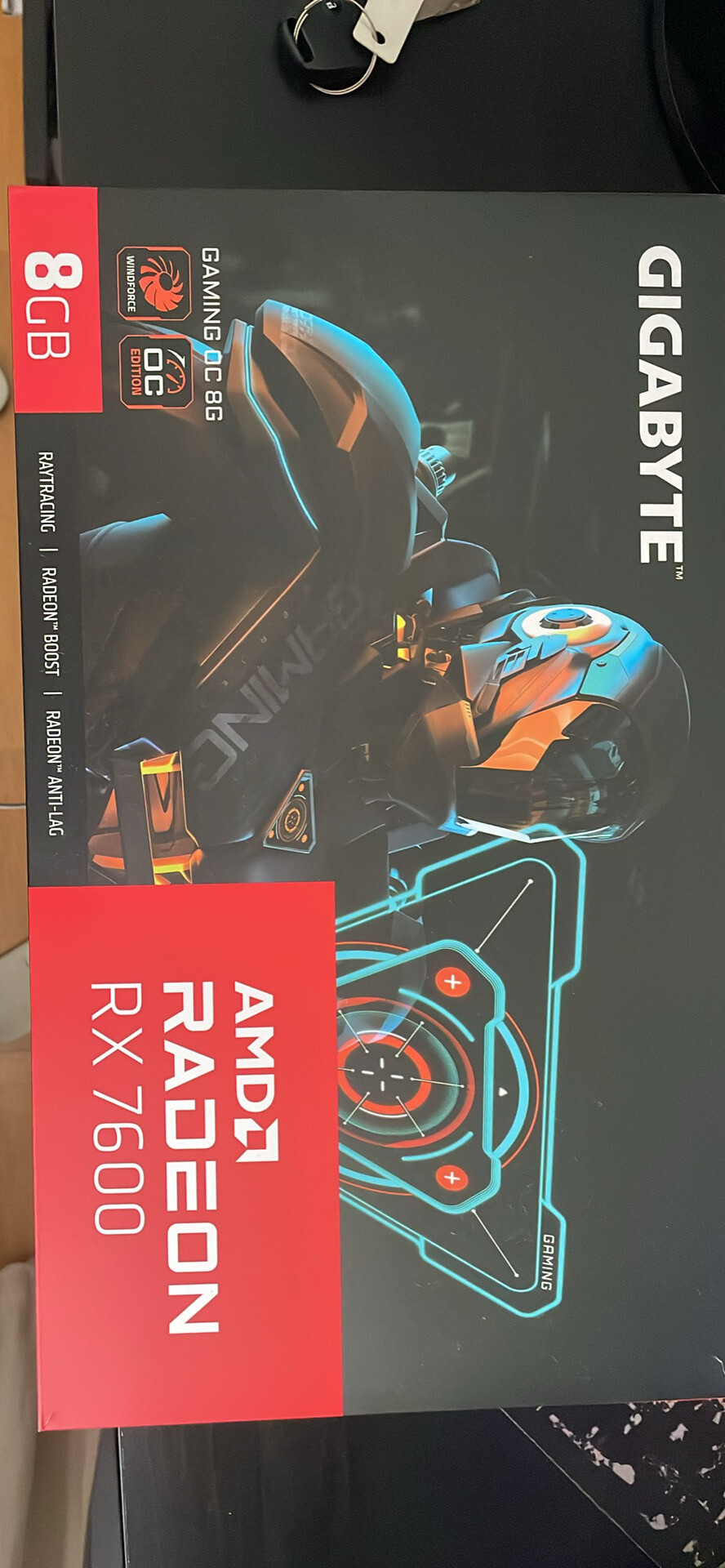
Gigabyte Radeon RX 7600 GAMING OC 8GB GDDR6 – Excelente estado
- Gaming PC/Mobile >
- Desktop Gaming


Sale
Project Motor Racing – Simulação de Corridas Realista para PS5
- PlayStation >
- PlayStation 5