The Application of Neural Networks in Creating 3D Game Models
The Application of Neural Networks in Creating 3D Game Models
The creation of realistic and detailed virtual environments is one of the biggest challenges in video game production. The last decade has seen a revolution driven by Artificial Intelligence (AI) and, more specifically, by Neural Networks (NN). These Deep Learning techniques are transforming how 3D models, textures, and even the layout of complex levels are generated, accelerating what is known as Procedural Content Generation (PCG).
1. Neural Networks and Procedural Generation
Neural Networks are algorithmic structures that mimic the human brain, capable of learning complex patterns from large datasets. In video games, this applies to:
- Style Learning: An NN can be trained with hundreds of models of trees (for a Roguelike with variable environments) or rocks, and then generate infinite variations that adhere to the same artistic style.
- Asset Optimization: Use of Generative Adversarial Networks (GANs) to create realistic textures based on simple photographs, or to optimize the topology of high-polygon count models.
- QA Support: AI models are also used by QA (Game Testers) to simulate the behaviour of millions of players and identify potential rendering faults or bugs.
2. NeRF: The Future of Volume Rendering
One of the most exciting applications of Neural Networks in 3D creation is NeRF (Neural Radiance Fields). This technique uses multiple 2D photos of an object or scene taken from different angles to create a volumetrically dense 3D model:
- Principle: The NN "learns" to emit colour and density at any point in space, allowing the GPU to render the scene from any angle, including fast Refresh Rate mode, with photorealistic reflections and shadows.
- Hardware Requirement: Training and real-time rendering of NeRF are extremely demanding, consuming a large portion of the VRAM memory of the Graphics Card. This is an area where the GPU architecture (ALU and Control Unit, according to technical diagrams) is put to the test.
3. Impact on Game Optimization
Neural Networks don't just create content; they optimize it. Technologies like DLSS (Deep Learning Super Sampling) by NVIDIA (which helps reduce Input Lag by rendering at low resolution and performing AI upscaling) are examples of how the NN is used to improve graphics performance on Monitors and TVs without loss of quality.
In short, the NN is freeing artists from repetitive tasks (such as creating variations of basic models), allowing them to focus on creating unique and complex elements, while AI handles volume and efficiency.
Related Articles
- How a Graphics Card (GPU) Works: Architecture and VRAM Memory
- The Role of Game Testers in the Industry: Challenges and Careers
- The Roguelike and Roguelite Phenomenon: The Importance of Repetition
- What is Input Lag and How to Reduce It in Monitors and TVs
Explore More
Discover more content in the Gaming Information Hub, consult the Gaming Glossary (A–Z) and visit the Gaming FAQ for quick answers to your questions.






Sale
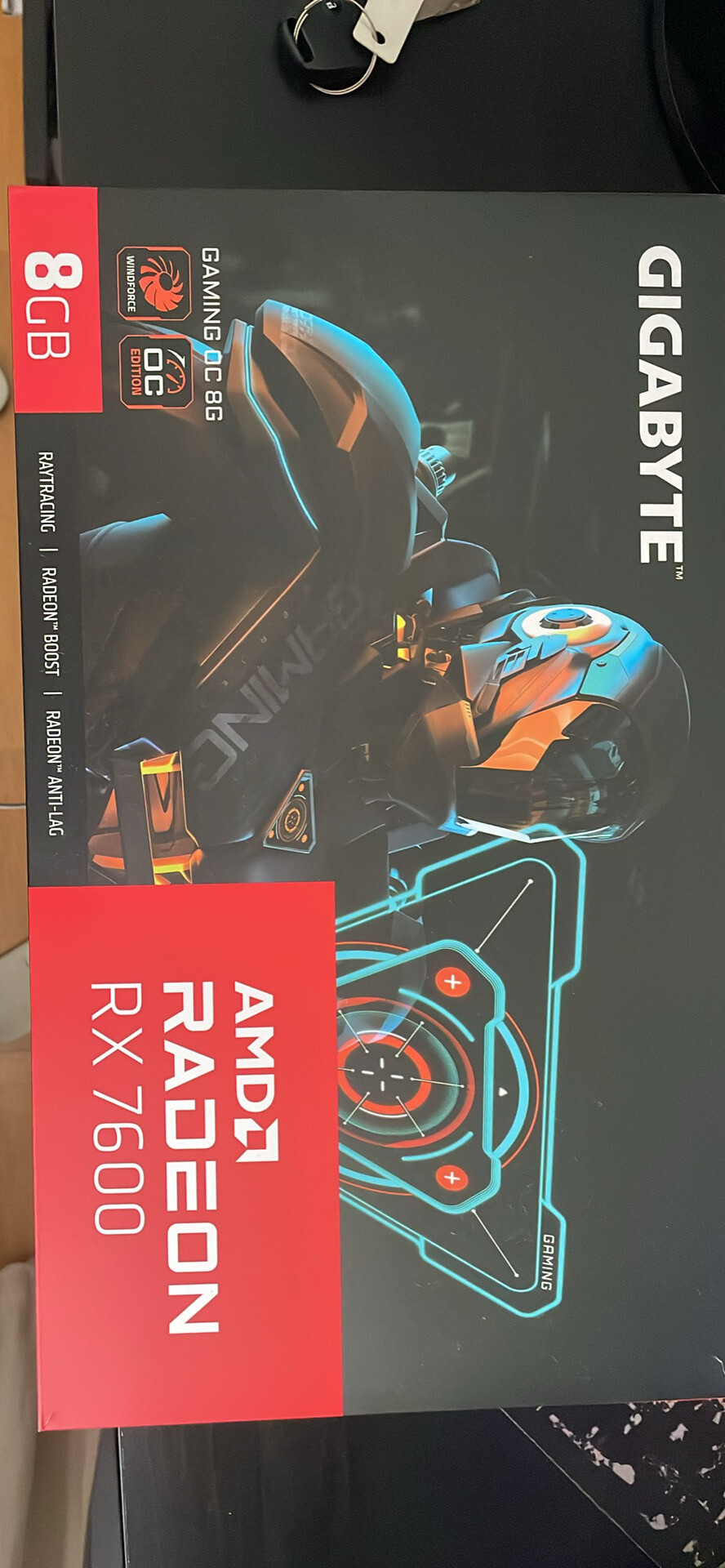
Gigabyte Radeon RX 7600 GAMING OC 8GB GDDR6 – Excelente estado
- Gaming PC/Mobile >
- Desktop Gaming

Sale
Project Motor Racing – Simulação de Corridas Realista para PS5
- PlayStation >
- PlayStation 5