The Role of Game Testers in the Industry: Challenges and Careers
The Role of Game Testers in the Industry: Challenges and Careers
The Game Tester, or Quality Assurance (QA) Technician, is one of the most crucial and often misunderstood roles in the video game development cycle. Far from just "playing all day," QA is the last line of defense between a flawed game and a high-quality final product, ready to be played by millions of users.
1. Essential QA Responsibilities
The main goal of QA is to break the game in every possible way to ensure that all elements function as intended. Tasks are divided into:
- Functional Testing: Ensuring that all game mechanics and logic are operational (e.g., whether the GPU renders the levels correctly; if an item gives the correct bonus).
- Regression Testing: Verifying that bugs fixed in previous versions have not reappeared and that new features have not broken old ones.
- Performance Testing: Analyzing performance on different hardware configurations (checking if the Refresh Rate is stable and if loading is efficient).
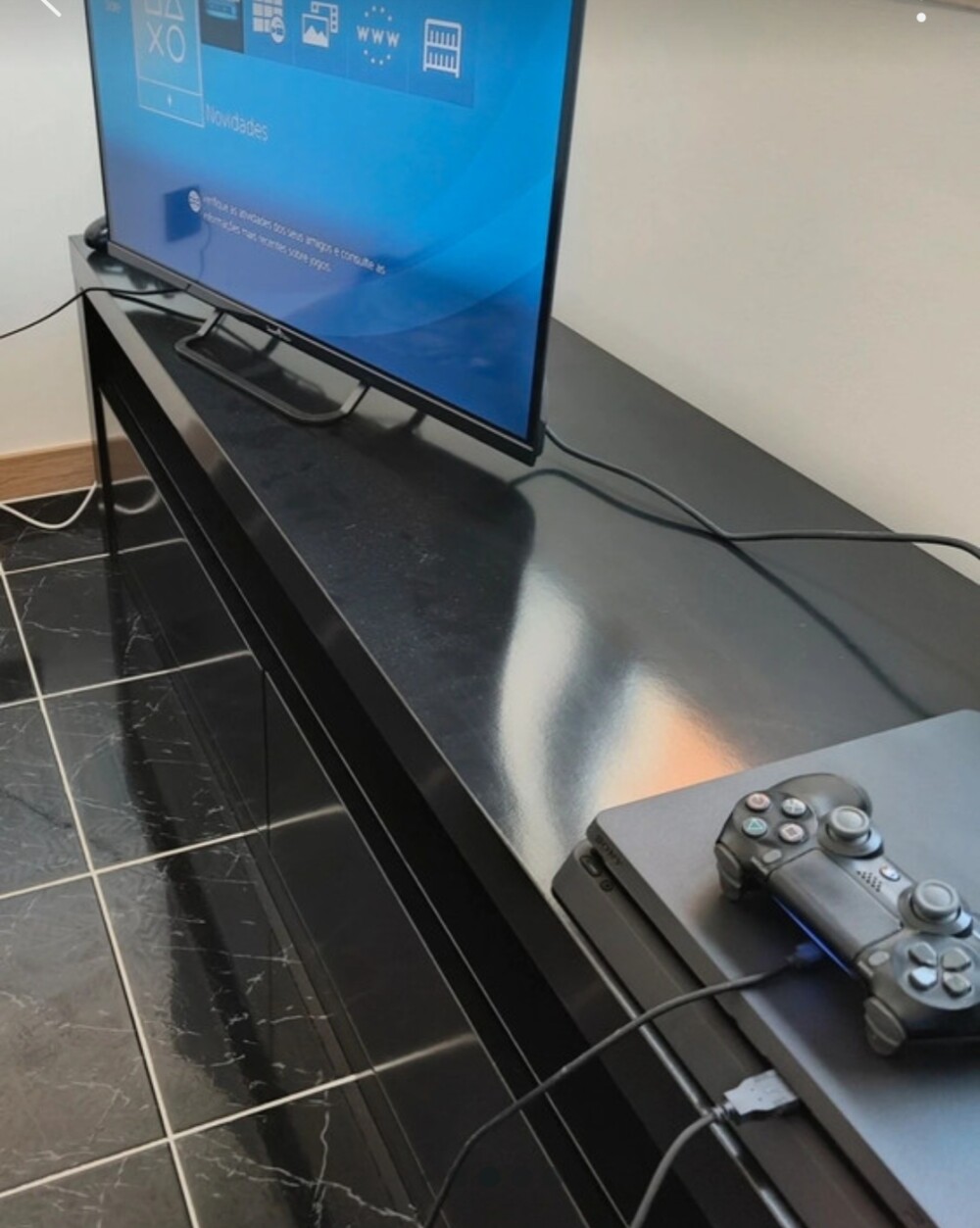
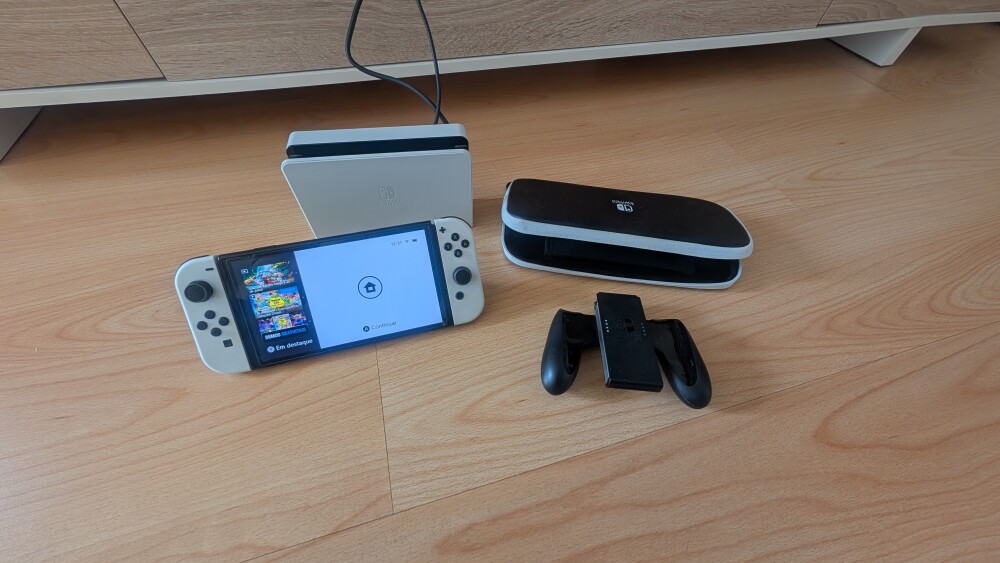
- Certification Testing (Compliance): Ensuring the game meets the technical requirements of platforms (Sony, Microsoft, Nintendo) for release on Consoles.
2. The Challenge of Finding and Reporting Bugs
The tester's job is characterized by a routine of meticulous repetition and attention to detail. Finding a bug is only half the battle. The most critical part is the reporting:
- Reproduction: Determining the exact and consistent steps to recreate the error (the bug).
- Isolation: Identifying the likely cause (e.g., Does the error only occur with a certain type of Procedural Generation or after a large data input?).
- Severity: Classifying the bug by its importance (from cosmetic, which affects aesthetics, to critical, which prevents player progress).
A well-reported bug, with clear steps and evidence, reduces developer correction time and helps prevent issues like Input Lag or complete crashes.
3. Career Path and Challenges
The QA career typically starts at junior levels (QA Level 1) and offers various progressions:
- Technical Specialization: Transition to Technical QA, which focuses on automated test scripting, using debugging tools, and analyzing the game engine's performance.
- Leadership: Advancement to QA Lead, which involves managing the team of testers, creating test plans, and direct communication with production.
- The Crunch Challenge: Unfortunately, QA is the area most affected by the crunch period (intensive and prolonged work before release), as they are responsible for cleaning up the game under maximum pressure.
Related Articles
- The Roguelike and Roguelite Phenomenon: The Importance of Repetition
- Refresh Rate in Gaming: What It Is and Why It's Important
- What is Input Lag and How to Reduce It in Monitors and TVs
- Monitors vs. TVs in Gaming: What's the Difference and Which to Choose?
- How a Graphics Card (GPU) Works: Architecture and VRAM Memory
Explore More
Discover more content in the Gaming Information Hub, consult the Gaming Glossary (A–Z) and visit the Gaming FAQ for quick answers to your questions.