
Online Gaming Security: Account and Personal Data Protection
Online Gaming Security: Account and Personal Data Protection
Security is fundamental in the online gaming environment, where user accounts can contain valuable progress, rare items, and, most importantly, personal and financial data. Protecting yourself from hackers, phishing, and fraud is a shared responsibility between gaming platforms and the player themselves. Security here applies to both PC Gaming and consoles.
1. Key Account Protection Methods
Accounts are the main target, especially in games with a strong Monetization (F2P) element. The following steps are crucial:
- Two-Factor Authentication (2FA): This is the most important barrier. It requires a second verification (usually via SMS or a standalone app) in addition to the password. Activate it on all platforms (Steam, PlayStation, Xbox, Battle.net, etc.).
- Strong and Unique Passwords: Never use the same password for your game account and your main email. Use a combination of letters, numbers, and symbols.
- Recovery Email: Ensure that the email linked to your account is secure and not easy to guess.
2. Recognizing Online Threats (Phishing and Malware)
The most common technique for stealing data is social engineering. Players must be vigilant:
- Phishing: Be careful with emails, messages, or websites that impersonate the gaming platform (e.g., "You won a rare skin! Click here to claim"). Never click suspicious links or enter your password on unofficial websites.
- Malware/Keyloggers: Do not download third-party tools (unauthorized cheats, bots, or mods). Many of these tools contain keyloggers that steal your credentials.
- Excessive Offers: If something seems too good to be true (e.g., offers of in-game currency at ridiculous prices), it is likely a scam intended to steal financial or account information.
3. Protecting Personal Data and Privacy
Managing your privacy is important, especially if you use Streaming platforms or interact with online communities:
- Financial Data: If possible, use temporary payment methods or virtual cards for microtransactions. If you link your card, avoid saving the details.
- In-Game Interactions: Limit the sharing of personal information (name, address, school) with other players, even on teams (Team Communication).
Related Articles
- Free-to-Play Games and the Monetization Model (Microtransactions)
- PC Gaming: What It Is and How It Compares to Other Platforms
- Complete Guide to Streaming on Twitch and YouTube
- Team Communication (Team Speak, Discord, Voice Chat) in Gaming
- Cybersecurity in NFT and Blockchain Games: Risks and Protection
Explore More
Discover more content in the Gaming Information Hub, consult the Gaming Glossary (A–Z) and visit the Gaming FAQ for quick answers to your questions.








Sale
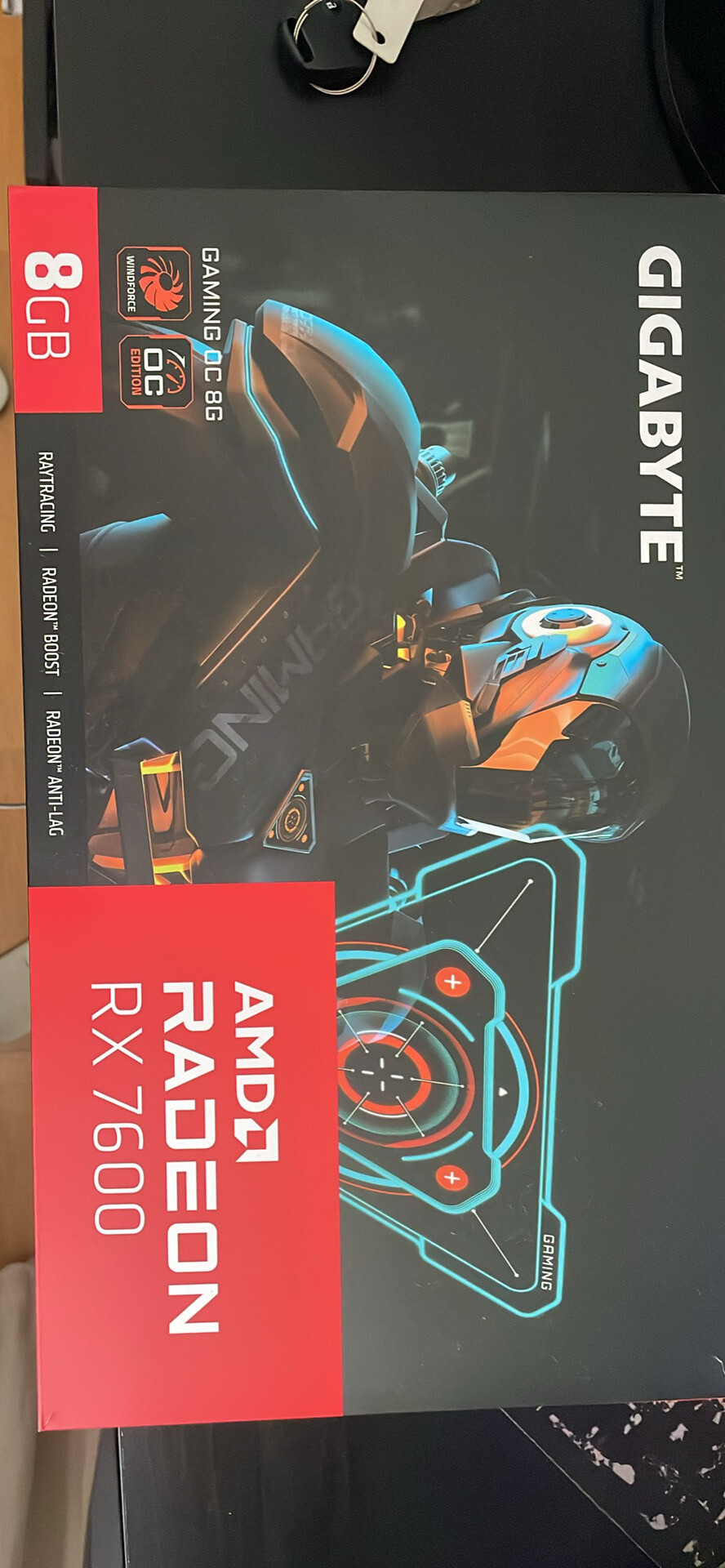
Gigabyte Radeon RX 7600 GAMING OC 8GB GDDR6 – Excelente estado
- Gaming PC/Mobile >
- Desktop Gaming

Sale
Project Motor Racing – Simulação de Corridas Realista para PS5
- PlayStation >
- PlayStation 5