Digital Economy and NFTs in Games — Ownership and Virtual Value — GameMarket.pt
Digital Economy and NFTs in Games — Ownership and Virtual Value
The digital economy in gaming has evolved far beyond simple microtransactions. Thanks to blockchain, tokens, and NFTs (Non-Fungible Tokens), players can now truly own, trade, and even monetize digital assets securely and transparently.
What Are NFTs in Games?
NFTs represent unique digital assets — such as skins, characters, virtual land or collectibles — recorded on a blockchain. Unlike traditional in-game items, these assets belong to the player, not just the game developer.
- Authenticity: each item is unique and verifiable.
- Real ownership: players control and can sell their assets.
- Decentralized markets: trade without intermediaries.
In-Game Economy and Web3
The integration of blockchain with gaming led to the rise of Play-to-Earn models. Titles like Axie Infinity, Decentraland and The Sandbox allow players to earn real-world value through gameplay.
- Cryptocurrencies: used as in-game currency.
- Utility tokens: unlock content or enable governance participation.
- Open markets: players freely exchange digital goods.
Advantages and Risks
- + Value: players become investors and creators.
- + Transparency: blockchain ensures secure and public records.
- – Volatility: digital asset prices can fluctuate dramatically.
- – Legal and ethical issues: ownership rights and speculation remain complex topics.
The Future of Game Economies
With advancements in Artificial Intelligence, the metaverse and mixed reality, NFTs will integrate into shared ecosystems where players can move assets across multiple games and platforms.
Related Articles
Explore More
Learn more in the Gaming Information Hub, explore the Gaming Glossary (A–Z) and visit the Gaming FAQ.





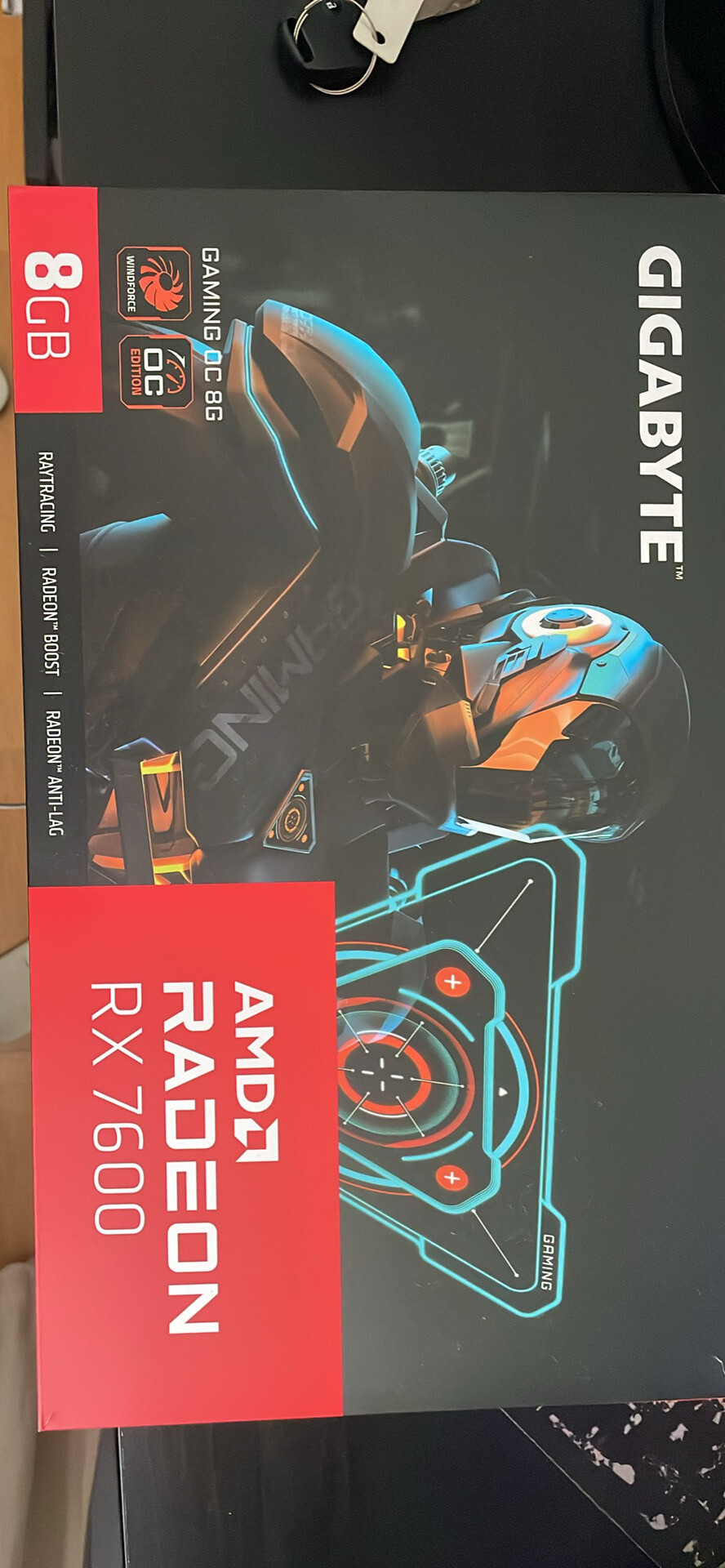
Sale
Gigabyte Radeon RX 7600 GAMING OC 8GB GDDR6 – Excelente estado
- Gaming PC/Mobile >
- Desktop Gaming

Sale
Project Motor Racing – Simulação de Corridas Realista para PS5
- PlayStation >
- PlayStation 5