How the Royalty System Works in Game Development
How the Royalty System Works in Game Development
The Royalties system is the financial backbone of the game development industry. It refers to the percentage fees and payments that developers are required to pay to third parties – usually platforms, publishers, or game engine creators – in exchange for using their technology or accessing their marketplace. Royalty fees are a critical factor that determines the final profitability of any title.
1. The Three Main Types of Royalties
Developers must negotiate and pay royalties on several fronts:
- Platform Royalties: The most common fee is charged by distributors like Steam, PlayStation, Xbox, or Nintendo (typically 30% of the net selling price). This fee covers distribution, online service management, and access to the user base.
- Game Engine Royalties: Engines like Unreal Engine charge a percentage (e.g., 5%) of gross revenue after the game reaches a certain sales threshold. Engine royalties depend on how efficiently developers use the GPU and CPU optimization techniques that the engine offers.
- Intellectual Property (IP) Royalties: Fees paid for licensing existing characters, stories, or worlds.
2. The Recoupment Point
The most challenging concept for studios is Recoupment. In a typical agreement with a Publisher, the publisher funds development and marketing. The studio only begins to receive the agreed publisher royalties (usually between 10% to 50% of net profit) after the publisher has recovered their initial investment.
- Risk Transferred: This means that if a game does not sell enough to cover development and marketing costs, the studio receives nothing beyond the initial payment, even if the game was well-received by Game Testers and critics.
3. The Impact on Finance and Crunch Culture
Fixed royalty costs have a direct impact on the development cycle:
- Financial Pressure: Studios work under immense pressure to reach the recoupment point, often contributing to the Crunch phenomenon.
- Design Decisions: The financial model can influence design decisions. For example, the popularity of Loot Box mechanics is partly driven by the need to generate high post-launch revenue to ensure royalties are paid.
Related Articles
- The Crunch Phenomenon in the Gaming Industry: Causes, Consequences, and Solutions
- The Legal Difference between Loot Boxes and Gambling
- The Role of Game Testers in the Industry: Challenges and Careers
- How a Graphics Card (GPU) Works: Architecture and VRAM Memory
Explore More
Discover more content in the Gaming Information Hub, consult the Gaming Glossary (A–Z) and visit the Gaming FAQ for quick answers to your questions.








Sale
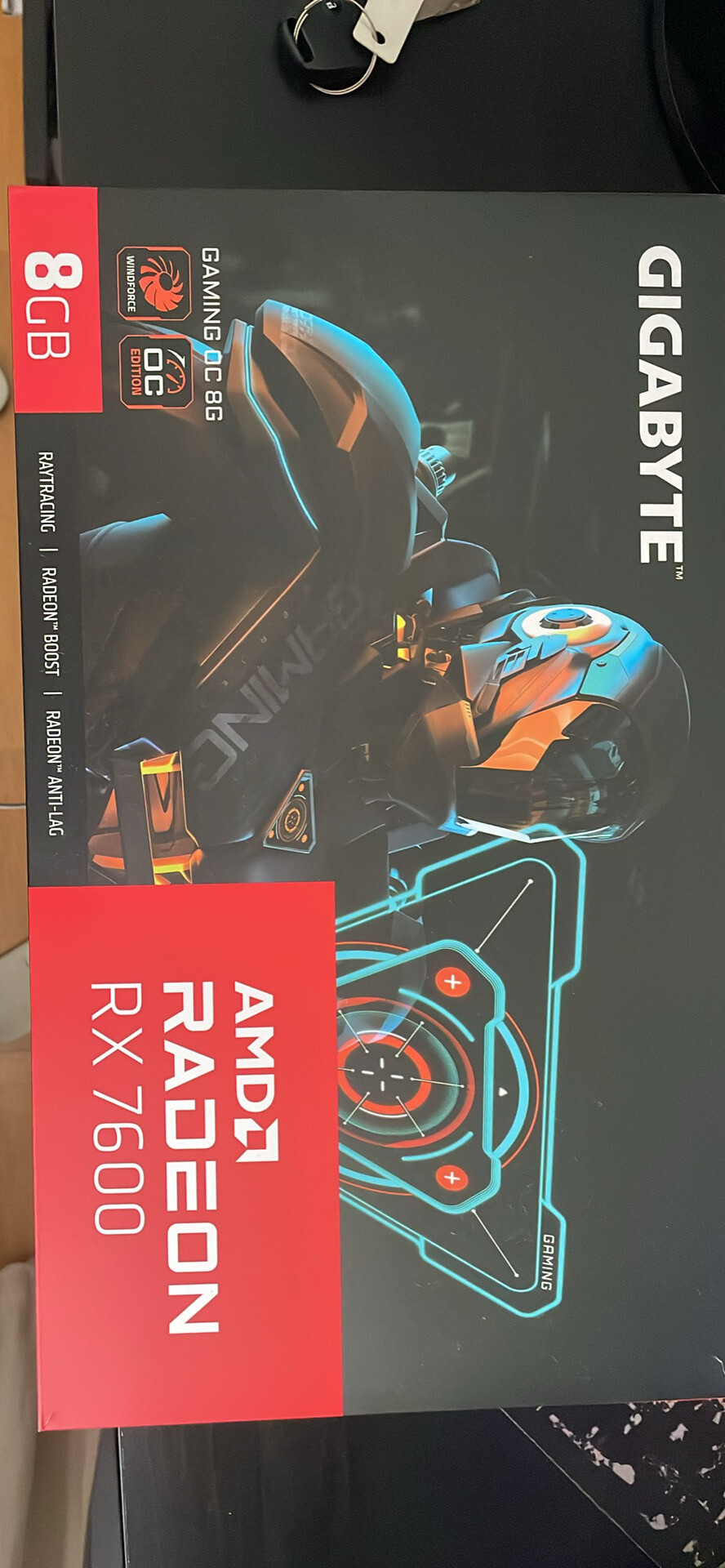
Gigabyte Radeon RX 7600 GAMING OC 8GB GDDR6 – Excelente estado
- Gaming PC/Mobile >
- Desktop Gaming

Sale
Project Motor Racing – Simulação de Corridas Realista para PS5
- PlayStation >
- PlayStation 5