The Evolution of Controller Design: From Atari to DualSense
The Evolution of Controller Design: From Atari to DualSense
The video game controller is our direct interface with virtual worlds. Its evolution, from the simple one-button joysticks of the Atari 2600 to the sophisticated DualSense of the PlayStation 5, mirrors the progress of gaming technology and our understanding of ergonomics. This design journey is not just a hardware story, but a history of how the industry learned to make games more immersive and accessible.
1. The Primitive Era: Simplicity and the Joystick (70s/80s)
- Atari (The Beginning): The classic Atari 2600 joystick had a directional stick and a single button. Simplicity was key, but the lack of ergonomics limited game complexity.
- Nintendo and the Directional Pad (D-Pad): Nintendo revolutionized design with the introduction of the Directional Pad (D-Pad) on the NES. This simple, patented design, created by Gunpei Yokoi, offered precision and made platform and fighting games possible. The D-Pad remains a pillar to this day.
2. The 3D Transition: More Buttons and Ergonomic Shapes (90s)
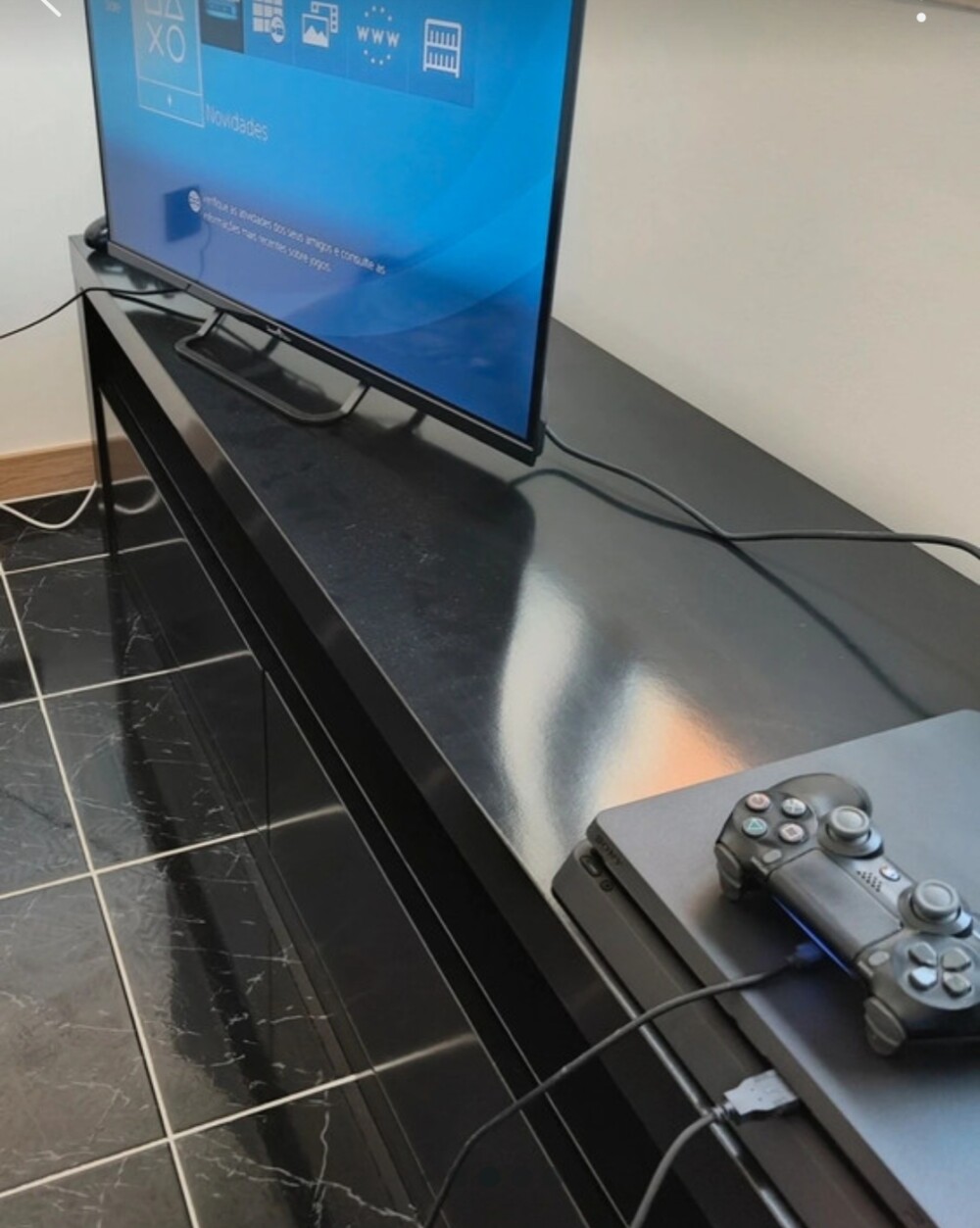
- The PlayStation Leap: Sony introduced its first controller, which established the layout of four geometric buttons (△ ○ X □). The real change came with the DualShock, which added vibration and, crucially, two analog sticks.
- N64 and Sega Saturn: The Nintendo 64 experimented with a three-"handle" design and a single central analog stick, focusing on 3D gameplay (especially with Super Mario 64). The Sega Saturn remained more linked to the 2D/arcade aesthetic.
3. The Modern Standard: Symmetry and Triggers (2000s)
- Xbox and the "S" Controller: Microsoft took time to find its ergonomic standard. The first Xbox controller was notoriously large, but the Controller S (and the subsequent Xbox 360 design) established the modern standard: progressive triggers and the asymmetrical stick layout, favoring shooter games (FPS), as discussed in Difference between FPS and TPS. This design is widely considered the gold standard in ergonomics.
- PS3 and Continuous Evolution: Sony maintained the symmetry of the sticks, improving the DualShock design with pressure sensitivity and wireless connectivity (DualShock 3 and 4).
4. The Present and Future: Haptic Immersion and Flexibility
- DualSense (PS5): Represents the biggest recent leap. It introduced Haptic Feedback (more detailed and positional vibration) and Adaptive Triggers (resistance in pressure, simulating the tension of a bow or the recoil of a weapon). The focus is total immersion.
- Xbox Elite/Series X/S: Maintains the asymmetrical and ergonomic design, focusing on modularity and accessibility, with customization options (like the Xbox Elite Controller and the Adaptive Controller), emphasizing the concept of Peripherals and Accessibility.
- Mobile Controllers: Platform convergence led to the growth of specialized controllers for smartphones, replicating the console experience on the go, reinforcing the idea of Platform Convergence.
Related Articles
- History of PlayStation: From Sony to Console Market Leadership
- History of Xbox: Microsoft's Entry and the Console War
- Peripherals and Accessibility: Gaming for Everyone
- Virtual Reality in Gaming: Immersion, Evolution, and Future
- Complete Guide to Gaming Headsets: 7.1 Surround vs. Stereo and Connections
Explore More
Discover more content in the Gaming Information Hub, consult the Gaming Glossary (A–Z) and visit the Gaming FAQ for quick answers to your questions.